Tag: bobbobcite.com
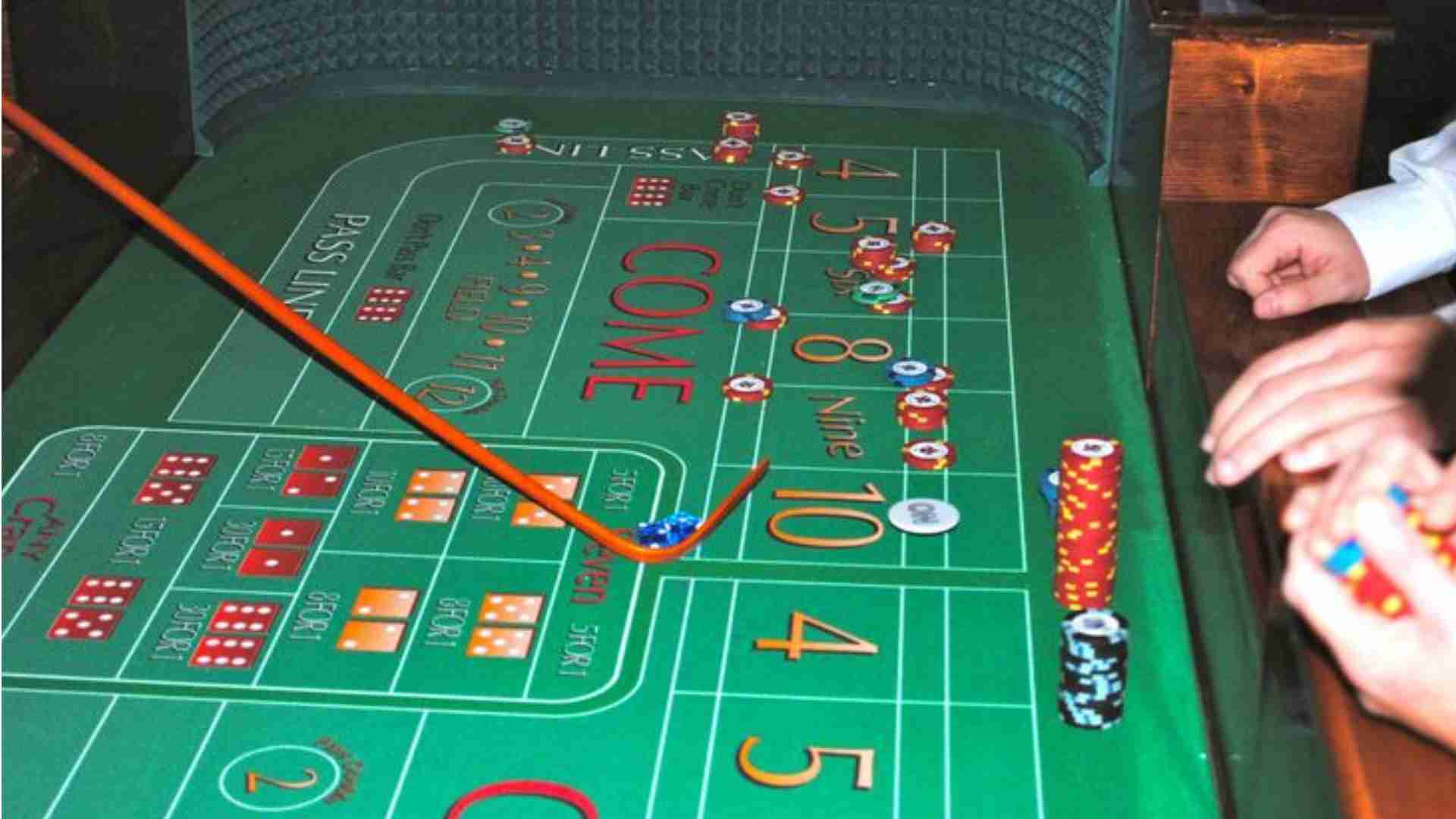
Understanding True Statistical Independence in Physical Dice Rolls
In probability theory, statistical independence means that the outcome of one event has absolutely no influence on the outcome of another. When rolling physical dice, players often fall prey to cognitive biases, believing that past rolls somehow dictate future throws. However, a deeper look into classical mechanics and mathematical principles confirms that each toss remains a truly isolated event.
The Core Concept of Independent Events
In mathematical terms, two random events are independent if the probability of both occurring together equals the product of their individual probabilities. For a standard six-sided die, every face maintains a theoretical probability of one in six on every throw regardless of previous sequences. A player who rolls five consecutive sixes still faces the exact same one-sixth probability of landing a six on the next try.
This fundamental property is frequently misunderstood due to human pattern-seeking behavior. Many tabletop enthusiasts mistakenly expect outcomes to average out over short sessions, leading to common logical fallacies. Understanding that physical dice hold no memory of past outcomes helps players maintain a realistic perspective during gaming sessions.
Physical Factors vs Abstract Randomness
While theoretical probability assumes perfectly balanced objects, physical dice operate under deterministic Newtonian laws. Factors such as release angle, height, velocity, and surface friction dictate the exact trajectory of every single cast. If a human or machine could replicate physical launching conditions with micro-precision, the output would technically cease to be random.
In practical settings, small human variations in throwing force introduce chaos that preserves statistical randomness. Gaming analysts and strategy enthusiasts often study how probability impacts risk assessment in gaming environments like m88 to make better tactical decisions. Real-world physical variations ensure that standard rolls remain unpredictable and practically independent for all participants.
Overcoming the Gamblers Fallacy
The gambler's fallacy occurs when someone incorrectly assumes that a deviation from expected long-term behavior will self-correct in the short term. For instance, after a prolonged streak of low numbers, a player might double down expecting a high number to be due. Statistical independence dictates that the die does not compensate for previous cold or hot streaks.
Recognizing this mental trap allows gamers to make rational decisions based on actual odds rather than emotional expectations. Long-term statistical convergence, known as the Law of Large Numbers, requires thousands of iterations to manifest. Expecting short tabletop matches to balance out perfectly is a fundamental misinterpretation of probability.
Manufacturing Quality and True Variance
Not all physical dice are created equal, and manufacturing quality plays a major role in maintaining independence. Standard plastic dice produced for casual board games often contain internal air bubbles or uneven density distributions. These microscopic flaws cause subtle weight imbalances that favor specific numerical faces over long periods.
Precision casino dice are engineered with sharp edges and uniform density to eliminate physical bias entirely. Evaluating dice balance ensures that observed variance stems from pure chance rather than mechanical flaws. Using high-quality components preserves true statistical independence and guarantees fair play across all games.